In the quiet corners of human existence, where light meets shadow and breath meets silence, there exists a conversation we've collectively avoided for centuries. The Western world has perfected the art of living while remaining remarkably unskilled at addressing life's only certainty. We celebrate births with champagne toasts and wedding anniversaries with diamond gifts, yet we whisper about death in hospital corridors and funeral homes as if it were a social faux pas rather than the universal human experience it truly represents.
The modern approach to mortality resembles what psychologists might call avoidance behavior on a civilizational scale. We've medicalized dying, institutionalized grief, and commercialized mourning until the raw, authentic experience of facing mortality has become almost foreign to us. This cultural distancing from death hasn't made it disappear; it has only made our inevitable encounters with it more traumatic, more confusing, and ultimately more isolating for those left to navigate its waters without maps or compasses.
Death education emerges not as a morbid fascination with endings, but as a profound commitment to better living. This growing movement recognizes that how we approach death directly influences how we engage with life. The classroom for this education isn't found in traditional institutions alone but in hospice centers, living rooms where difficult conversations finally occur, and in the quiet moments of reflection that visit us in the early morning hours. The curriculum isn't about mastering death but about reclaiming our relationship with mortality's place in the human journey.
Contemporary death education draws from ancient wisdom while addressing modern complexities. Indigenous cultures have long maintained rituals and traditions that honor the dead while comforting the living. The Mexican Day of the Dead celebrations, with their vibrant altars and sugar skulls, demonstrate how death can be integrated into cultural consciousness without fear. Tibetan Buddhist traditions approach dying as a sacred process requiring careful preparation. These perspectives remind us that our current death-denying approach is the historical anomaly, not the norm.
The practical dimensions of death education span from the logistical to the profoundly philosophical. On one end, we find advance care planning, wills, and funeral arrangements—the paperwork of mortality that so many delay until crisis forces their hand. Yet these practical matters, when addressed consciously, become acts of love and responsibility rather than burdens. They represent our final gifts to those we leave behind, removing unnecessary stress during already difficult times.
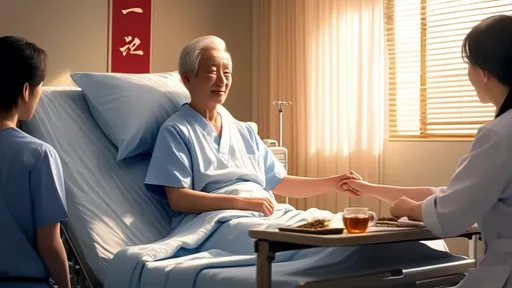
More deeply, death education invites us to consider what constitutes a good death within our personal value systems. For some, this means dying at home surrounded by family rather than in sterile hospital environments. For others, it involves creating legacy projects or having crucial conversations that allow for peaceful closure. The definition varies, but the common thread is intentionality—the conscious shaping of our final chapter rather than passively accepting whatever circumstances deliver.
Modern death education also addresses the digital afterlife, a consideration our ancestors never faced. What happens to our social media profiles, digital assets, and online identities after we're gone? These questions have spawned new fields like digital estate planning and posthumous data management. Our digital footprints now require the same thoughtful consideration we've traditionally given to physical possessions, adding another layer to the practice of preparing for life's conclusion.
The psychological impact of confronting mortality cannot be overstated. When we make peace with death's inevitability, we paradoxically become more available to life's richness. The awareness of our finite time becomes the catalyst for living more authentically, loving more deeply, and prioritizing what truly matters. This isn't about morbid preoccupation but about using death as a lens through which to clarify life's values and purpose.
Research in terror management theory demonstrates how unconscious death anxiety influences human behavior in surprising ways—from consumer choices to political affiliations. Death education brings this anxiety into conscious awareness where it can be addressed constructively rather than acting as an invisible puppeteer pulling the strings of our decisions and relationships. The unexamined death, it turns out, has been shaping our lives in ways we rarely acknowledge.
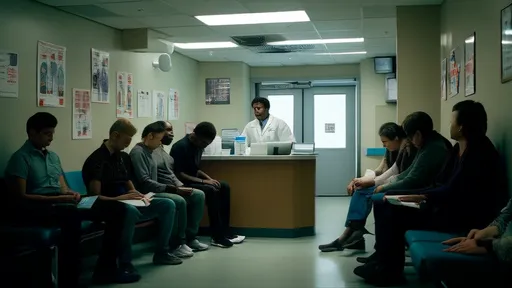
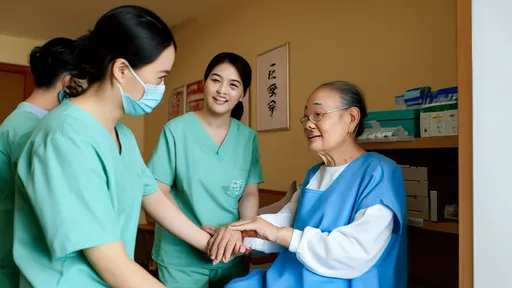
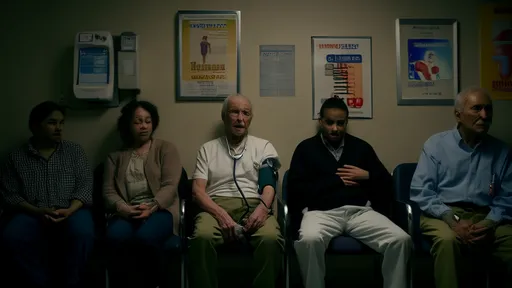
Healthcare professionals have become unexpected pioneers in death education, recognizing that how we die is fundamentally a human rights issue. The palliative care movement has shifted focus from purely extending life to ensuring quality of life until the very end. Medical schools increasingly incorporate communication training for delivering bad news and supporting patients through end-of-life decisions. These changes represent a quiet revolution in how healthcare acknowledges its limitations while expanding its compassionate presence.
Death cafes and community conversations about mortality have emerged as grassroots movements where people gather simply to talk about death over tea and cake. These informal settings provide spaces to share fears, questions, and experiences without judgment or proselytizing. The very existence of these gatherings signals a cultural shift—a growing recognition that we need to develop death literacy as individuals and as communities.
The COVID-19 pandemic served as an unplanned mass death education event. Suddenly, mortality statistics became daily news, funeral restrictions changed mourning practices, and many faced the reality of their own vulnerability in unprecedented ways. While traumatic, this collective experience also created openings for conversations that might otherwise have remained buried. The pandemic didn't invent death anxiety, but it certainly made it more difficult to ignore.
Children's relationship with death deserves particular attention in death education. Well-meaning adults often use euphemisms like "passed away" or "gone to sleep," potentially creating confusion or fear. Age-appropriate honesty, coupled with reassurance and ongoing conversation, typically serves children better than protective evasion. When included in cultural and family rituals around death, children can develop healthy understandings that serve them throughout their lives.
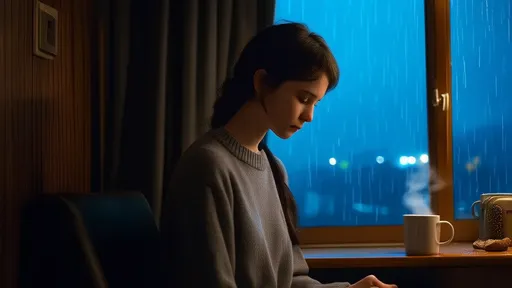
Grief, death's constant companion, requires its own education. The outdated notion that people progress through orderly stages of grief has been largely replaced by more nuanced understandings of grieving as an individual, non-linear process. Contemporary grief support recognizes that we don't "get over" significant losses as much as we learn to carry them differently over time. The goal becomes integration rather than resolution.
Environmental considerations have entered death education through the green burial movement. As ecological awareness grows, so does interest in burial options that minimize environmental impact. Natural burials, water cremation, and body composting represent innovations that align end-of-life practices with personal environmental values. These options reflect how death practices continue evolving in response to changing cultural priorities.
Technology is transforming death education and practices in unexpected ways. From end-of-life planning apps to online memorial platforms, digital tools are making death conversations more accessible and organized. While some worry about the commercialization of grief or the potential for these technologies to create distance from authentic experience, they undoubtedly provide new avenues for engagement with mortality matters.
Ultimately, death education returns us to fundamental questions about what gives life meaning. Our mortality provides the frame that makes our time precious, the limit that makes our choices significant. Learning to say goodbye well turns out to be intimately connected with learning to live well. The art of farewell, when practiced consciously, becomes not an ending but a completion—the final brushstroke that makes sense of the entire painting.
This education isn't about having answers so much as developing the capacity to sit with the questions. It's about building our tolerance for uncertainty, our compassion for ourselves and others navigating loss, and our courage to show up fully for life precisely because it doesn't last forever. The good farewell isn't one without pain, but one without unfinished business—where love has been expressed, forgiveness offered, and presence fully given.
As individuals and as a culture, we stand at a crossroads regarding our relationship with mortality. We can continue the patterns of denial and avoidance, or we can choose a more conscious path. Death education offers the tools for that journey—not as a destination to reach but as a continuous practice of bringing awareness, intention, and compassion to the reality of our finite human experience. In learning to say goodbye, we might just discover new depths in our hellos.

By /Oct 14, 2025

By /Oct 14, 2025
By /Oct 14, 2025

By /Oct 14, 2025

By /Oct 14, 2025
By /Oct 14, 2025
By /Oct 14, 2025

By /Oct 14, 2025
By /Oct 14, 2025
By /Oct 14, 2025

By /Oct 14, 2025
By /Oct 14, 2025
By /Oct 14, 2025

By /Oct 14, 2025

By /Oct 14, 2025
By /Oct 14, 2025
By /Oct 14, 2025
By /Oct 14, 2025

By /Oct 14, 2025
By /Oct 14, 2025
