In the quiet corridors of academic institutions, where the pursuit of knowledge reigns supreme, an invisible threat often goes unnoticed. Radon gas, a naturally occurring radioactive element, has been silently infiltrating educational facilities across the country, posing significant health risks to students, faculty, and staff. Unlike more visible campus concerns, this colorless, odorless gas requires specialized detection methods and strategic mitigation approaches that many institutions have yet to fully implement.
The presence of radon in educational settings represents a particularly concerning issue because of the extended exposure periods experienced by both students and employees. While administrators focus on more apparent safety measures, this radioactive intruder can accumulate in poorly ventilated classrooms, laboratories, and administrative offices, creating long-term health consequences that may not manifest for years. The geological composition beneath campus buildings often determines radon potential, with certain regions showing higher concentrations than others.
Recent studies conducted by environmental health organizations have revealed alarming data about radon levels in educational facilities. Testing initiatives at universities and colleges have detected dangerous concentrations in basements, ground-floor classrooms, and science buildings where ventilation systems may not adequately circulate air. These findings have prompted renewed calls for comprehensive radon testing protocols and mitigation strategies specifically designed for educational environments.
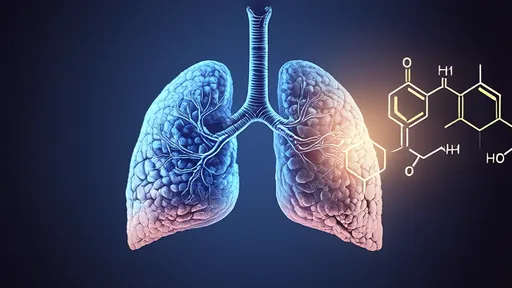
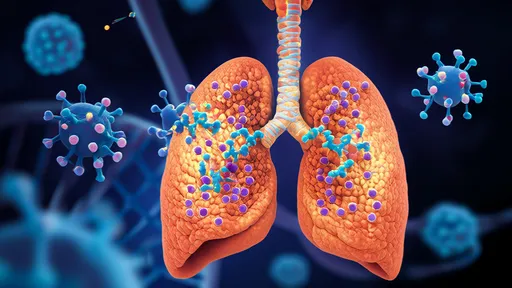
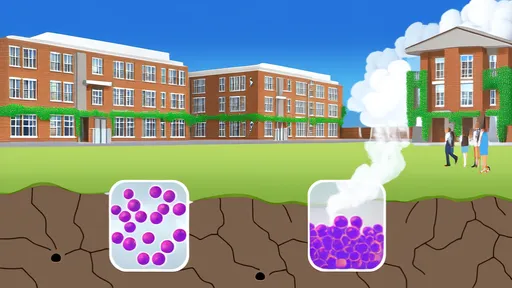
Understanding the science behind radon infiltration is crucial for effective management. Radon originates from the natural decay of uranium in soil and rock, seeping through foundation cracks, construction joints, and gaps around utility penetrations. In campus settings, the problem can be exacerbated by large building footprints, complex HVAC systems, and varying construction standards across different eras of campus development. The gas decays into radioactive particles that can lodge in lung tissue when inhaled, potentially damaging cells and initiating cancerous growth.
Educational institutions face unique challenges in addressing radon concerns. Budget constraints often compete with safety priorities, while the transient nature of student populations creates communication gaps in awareness campaigns. Furthermore, the diversity of building types on a typical campus—from historic structures to modern facilities—requires tailored approaches to testing and mitigation. Many institutions struggle with developing cohesive radon policies that span across departments and administrative boundaries.
Detection represents the first critical step in managing campus radon risks. Professional-grade radon testing kits, placed strategically throughout buildings, provide accurate measurements over designated periods. Short-term tests offer preliminary data, while long-term assessments deliver more reliable information about average exposure levels. Some forward-thinking institutions have implemented continuous radon monitoring systems that provide real-time data and alert facilities management when concentrations exceed safety thresholds.
The timing and placement of radon tests require careful consideration in educational settings. Testing should occur during normal occupancy periods when HVAC systems operate under typical conditions, and should include spaces with high occupant density as well as areas where people spend extended periods. Basements, ground-level classrooms, and science laboratories often warrant particular attention due to their proximity to soil and specific usage patterns.
When test results reveal elevated radon levels, mitigation becomes an immediate priority. Active soil depressurization systems, which vent radon gas from beneath buildings to the outdoors, have proven highly effective in educational facilities. These systems can be integrated with existing building infrastructure and often represent the most reliable solution for significant radon reduction. Proper installation requires professional expertise to ensure optimal performance and minimal disruption to academic activities.
Ventilation improvements offer another mitigation approach, particularly in buildings where mechanical systems already exist. Increasing fresh air intake and improving air circulation can dilute radon concentrations, though this method may be less effective in areas with extremely high radon potential. Some institutions have successfully combined ventilation enhancements with building envelope improvements—sealing cracks and openings in foundations—to create comprehensive protection systems.
The financial aspect of radon management cannot be overlooked. While testing represents a relatively modest investment, mitigation systems can require significant capital expenditure. However, forward-thinking administrators recognize that the long-term health benefits and potential liability reduction outweigh the initial costs. Some institutions have successfully integrated radon mitigation into larger renovation projects or capital improvement plans, spreading expenses over multiple budget cycles.
Developing an institutional radon policy provides the framework for ongoing management. Such policies should establish testing protocols, define action levels, outline mitigation procedures, and designate responsibility for implementation and monitoring. Effective policies also include communication strategies to keep campus communities informed without causing unnecessary alarm. Regular review and updating ensure that policies remain current with evolving scientific understanding and technological advancements.
Training and awareness initiatives play crucial roles in sustainable radon management. Facilities staff require specific knowledge about testing procedures and system maintenance, while administrative personnel need understanding to support policy implementation. Even basic awareness among faculty and students can contribute to early detection of potential problems and foster a culture of environmental health consciousness.
Legal and regulatory considerations add complexity to campus radon management. While no federal mandate currently requires radon testing in schools, some states have implemented their own regulations. Institutions must navigate varying requirements while also considering potential liability issues. Proactive management demonstrates institutional responsibility and may provide protection against future legal challenges related to environmental health concerns.
The integration of radon considerations into new construction represents the most cost-effective approach to long-term management. Building designs that incorporate radon-resistant features from the initial planning stages typically require minimal additional investment compared to retrofitting existing structures. Many institutions have adopted building standards that include passive radon control systems, which can be activated if future testing indicates the need.
Ongoing monitoring and documentation complete the comprehensive approach to radon management. Regular retesting ensures that mitigation systems remain effective and identifies new problem areas as they develop. Maintaining detailed records of test results, mitigation actions, and system maintenance provides valuable data for trend analysis and supports informed decision-making about future investments in campus environmental health.
As research continues to refine our understanding of radon risks and mitigation effectiveness, educational institutions have both an opportunity and responsibility to lead in this important aspect of environmental health. The invisible nature of the threat makes proactive management essential, while the concentration of young adults in educational settings underscores the importance of protective measures. Through diligent testing, strategic mitigation, and ongoing vigilance, campuses can transform from potential radon hotspots to models of environmental health and safety.
The journey toward comprehensive radon management requires commitment across administrative levels and departmental boundaries. From facilities managers to senior administrators, from science faculty to student health services, multiple stakeholders must collaborate to address this silent threat effectively. The result is not merely regulatory compliance, but the genuine protection of campus communities and the demonstration of institutional commitment to wellbeing in all its forms.

By /Oct 14, 2025

By /Oct 14, 2025

By /Oct 14, 2025

By /Oct 14, 2025

By /Oct 14, 2025

By /Oct 14, 2025

By /Oct 14, 2025

By /Oct 14, 2025

By /Oct 14, 2025

By /Oct 14, 2025

By /Oct 14, 2025

By /Oct 14, 2025

By /Oct 14, 2025

By /Oct 14, 2025

By /Oct 14, 2025
By /Oct 14, 2025
By /Oct 14, 2025

By /Oct 14, 2025

By /Oct 14, 2025
By /Oct 14, 2025
