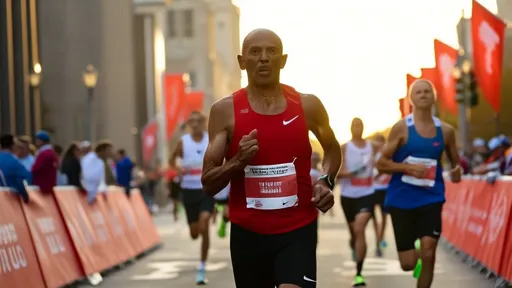
In the crisp morning air of Central Park, hundreds of runners gather as the sun begins its ascent. Among them is Sarah Jenkins, a forty-two-year-old marketing executive who lost her father to lung cancer two years ago. Today, she laces up her running shoes not just for exercise, but for something far more profound. "Every step I take," she says, her breath forming small clouds in the cool air, "is a step toward honoring my father's memory and helping others avoid what our family went through."
Across the globe, similar scenes unfold in cities from London to Tokyo, where running has evolved from mere physical activity to a powerful movement combining personal health with pulmonary awareness. What began as isolated charity runs has blossomed into a global phenomenon that merges athletic passion with respiratory health advocacy. The connection between cardiovascular exercise and lung function has created a natural partnership between runners and lung health organizations, resulting in events that draw thousands while raising millions for research and education.
The Science Behind the Stride
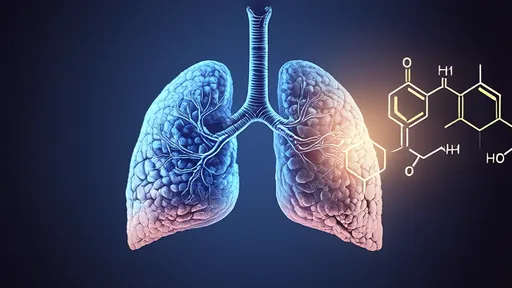
Running does more than just strengthen legs and improve cardiovascular health—it serves as a powerful tool for lung capacity development and maintenance. When we run, our breathing rate increases dramatically, sometimes reaching 40-60 breaths per minute compared to the resting rate of 12-20. This increased respiratory demand forces our lungs to work more efficiently, expanding their capacity and strengthening the diaphragm and intercostal muscles.
Dr. Michael Chen, a pulmonologist at Stanford University, explains the profound benefits: "Regular running can increase lung capacity by up to 15 percent in previously sedentary individuals. More importantly, it improves the efficiency of oxygen exchange in the alveoli, those tiny air sacs where the magic of breathing actually happens. For people with healthy lungs, running helps maintain that health. For those with compromised respiratory systems, appropriate running programs can significantly improve quality of life."
The relationship works both ways. Healthy lungs enable better running performance, creating a virtuous cycle where improved pulmonary function leads to better athletic performance, which in turn further enhances respiratory health. This symbiotic relationship has not gone unnoticed by medical professionals and fitness experts alike, who increasingly recommend running as part of comprehensive lung health maintenance programs.
Stories That Move Us
Behind every runner in these pulmonary awareness events lies a personal story that fuels their journey. Take David Rodriguez, a fifty-eight-year-old former smoker who started running after being diagnosed with early-stage COPD. "The doctor told me my lung function was declining," David recalls, his voice steady despite the emotional memory. "I could either sit back and watch it happen or fight back. I chose to fight."
Three years later, David has completed seven half-marathons and raised over $50,000 for lung disease research. His lung function tests show remarkable stability, and his doctors credit his running regimen with slowing the progression of his condition. "Every time I feel that burn in my lungs during a hard run, I remember why I'm doing this. That discomfort is temporary, but the impact we're making is permanent."
Then there's the story of the Miller family from Chicago, who organize an annual "Breathe Easy 5K" in honor of their daughter Emily, who passed away from cystic fibrosis at sixteen. What began as a small community event has grown into a city-wide movement attracting over two thousand participants each year. "Emily loved watching runners from her hospital window," her mother shares. "Now, through this event, her spirit runs with every participant."
These personal narratives form the emotional backbone of the movement, transforming abstract medical conditions into relatable human experiences. They remind us that behind every statistic about lung disease are real people with dreams, families, and stories worth honoring.
The Evolution of Pulmonary Awareness Events
Pulmonary-focused running events have undergone significant transformation since their inception in the late 1990s. Initially organized as simple fun runs with minimal medical involvement, today's events represent sophisticated collaborations between medical institutions, patient advocacy groups, and corporate sponsors.
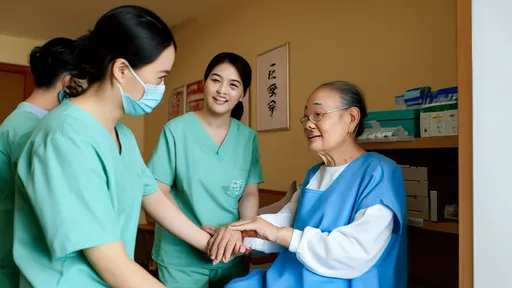
Modern pulmonary runs typically feature pre-event lung function screenings, educational booths staffed by respiratory therapists, and designated "breathing zones" where participants can learn proper breathing techniques. Many events now include separate categories for individuals with respiratory conditions, complete with medical support along the course.
Dr. Elizabeth Wong, who helps organize the Boston Breathe Easy Marathon, notes the evolution: "We've moved beyond just raising funds. These events have become comprehensive health education platforms. Participants leave not only having exercised but having learned something valuable about their respiratory health. Many have detected early warning signs of lung issues at our screening stations and sought medical attention as a result."
The integration of technology has further enhanced these events. Mobile apps now track participants' breathing rates during runs, providing personalized insights into their respiratory efficiency. Social media campaigns extend the impact far beyond race day, creating year-round communities of support and education.
Global Impact and Local Action
While the movement has global reach, its most significant impact often occurs at the local level. In urban areas with high air pollution, pulmonary runs serve dual purposes—raising awareness about lung health while advocating for cleaner air policies. Participants frequently become ambassadors for environmental causes, recognizing the direct connection between air quality and respiratory function.
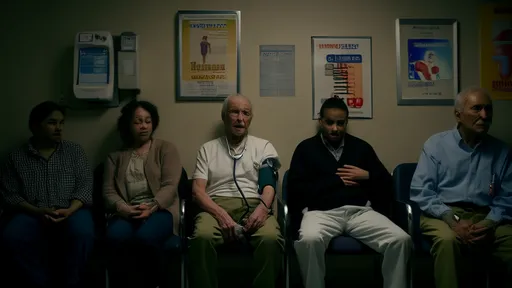
In developing nations, where access to pulmonary care remains limited, these events often partner with local health organizations to provide basic screening and education. The runs become entry points to healthcare systems for underserved communities, identifying individuals who need further medical attention and connecting them with available resources.
Corporate involvement has expanded the movement's reach significantly. Companies increasingly sponsor pulmonary runs as part of their corporate social responsibility initiatives, while also promoting employee participation as part of workplace wellness programs. This corporate-community partnership has proven mutually beneficial, improving both public health and corporate image.
The economic impact extends beyond fundraising. Local businesses benefit from increased foot traffic during events, while hotels and restaurants see boosted revenue from out-of-town participants. This economic incentive has encouraged cities to support these events, recognizing their value beyond the health benefits alone.
Training with Pulmonary Health in Mind
Serious runners participating in pulmonary awareness events often adopt specialized training approaches that prioritize respiratory health. Many incorporate breathing exercises into their routines, practicing techniques like diaphragmatic breathing and paced respiration. These methods not only improve running efficiency but also enhance overall lung function.
Altitude training has gained popularity among dedicated participants, as exercising in oxygen-reduced environments can stimulate increased red blood cell production and improve oxygen utilization. While not accessible to everyone, simulated altitude training masks and chambers have made these benefits available to broader audiences.
Nutrition plays a crucial role in supporting pulmonary health for runners. Anti-inflammatory diets rich in antioxidants help combat exercise-induced oxidative stress in the respiratory system. Many runners specifically increase their intake of foods known to support lung health, including apples, tomatoes, and omega-3 rich fish.
Perhaps most importantly, runners in this movement learn to listen to their bodies with heightened awareness. They become attuned to subtle changes in their breathing patterns, often detecting potential issues earlier than they might otherwise. This heightened bodily awareness represents a valuable health monitoring tool that extends far beyond their running practice.
The Future of Running for Respiratory Health
As the movement continues to evolve, several trends suggest an increasingly sophisticated and impactful future. Genetic testing is beginning to inform personalized training programs that account for individual predispositions to certain respiratory conditions. This personalized approach could revolutionize how we think about exercise and pulmonary health.
Technology integration is advancing rapidly. Wearable devices that monitor respiratory metrics in real-time are becoming more accessible, providing runners with immediate feedback about their lung function during exercise. These technologies not only enhance training but also serve as early warning systems for potential health issues.
Research partnerships between running organizations and medical institutions are yielding valuable data about the long-term effects of running on pulmonary health. Large-scale studies tracking participants over decades promise to provide unprecedented insights into how regular running affects lung aging and disease prevention.
The movement is also expanding to include more diverse populations. Adaptive running programs for individuals with significant respiratory limitations are making the benefits of running accessible to those who might previously have been excluded. These inclusive approaches recognize that everyone deserves the opportunity to improve their pulmonary health through appropriate physical activity.
Beyond the Finish Line
The true impact of running for pulmonary health extends far beyond race days and fundraising totals. It represents a fundamental shift in how we approach respiratory wellness—from reactive treatment to proactive maintenance. Participants often describe experiencing what researchers call "the runner's high," but many report something deeper: a sense of purpose that transcends physical achievement.
Communities built around these events provide crucial support networks for individuals affected by lung diseases. The shared experience of training and participating creates bonds that often extend into other aspects of life, forming resilient communities united by common purpose.
Perhaps most importantly, these runs make lung health visible and tangible. In a world where respiratory issues often remain hidden until they become severe, thousands of people moving together in the name of pulmonary awareness sends a powerful message: that our breath matters, that lung health deserves attention, and that every step toward better respiratory function is a step worth taking.
As Sarah Jenkins crosses the finish line in Central Park, her face flushed with effort and emotion, she embodies this message. "My father couldn't breathe at the end," she says, her voice thick with memory. "But when I run, I breathe for both of us. And with every breath, I hope we're moving closer to a world where nobody has to struggle for air."
In cities around the world, as runners tie their shoes and take their first steps, they join Sarah in this hope. They run not just for personal fitness, not just for competition, but for love—for loved ones lost, for those still fighting, for future generations who deserve clean, easy breaths. They run because sometimes, the most powerful statements aren't spoken but breathed, not written but lived, one step at a time.

By /Oct 14, 2025

By /Oct 14, 2025

By /Oct 14, 2025

By /Oct 14, 2025

By /Oct 14, 2025
By /Oct 14, 2025

By /Oct 14, 2025

By /Oct 14, 2025

By /Oct 14, 2025
By /Oct 14, 2025

By /Oct 14, 2025
By /Oct 14, 2025

By /Oct 14, 2025

By /Oct 14, 2025

By /Oct 14, 2025
By /Oct 14, 2025
By /Oct 14, 2025

By /Oct 14, 2025

By /Oct 14, 2025
By /Oct 14, 2025
