Beer Glass Cleaning Technique: Salt Scrubbing for Oil Stain Removal without Traces

Aug 20, 2025 By

There is a quiet ritual practiced in the dimly lit cellars of old-world breweries and the polished kitchens of modern beer aficionados. It is a method passed down through generations, a simple yet profoundly effective solution to a problem as old as brewing itself: the stubborn, unsightly residue that clings to the inside of a beer glass. This is not a story of harsh chemicals or expensive gadgets, but of a humble kitchen staple—common table salt. The technique of scrubbing a beer glass with salt is a piece of living history, a testament to the power of simplicity in achieving a perfect, spotless, and streak-free shine.

The enemy of every pristine beer glass is a complex combination of oils and proteins. With every sip of a finely crafted ale or a rich stout, a drinker’s lips deposit natural skin oils onto the rim. From the beer itself, proteins and hop resins leave an invisible film on the interior. Over time, and especially if glasses are merely rinsed or washed with inadequate soap, this film builds up. It creates a microscopic layer of grime that not only looks cloudy and unappealing but, more critically, annihilates the very experience of drinking beer. This residue kills the formation of a proper head of foam, causes bubbles to cling to the side of the glass in an unsightly manner, and can impart off-flavors to subsequent beers. It is the difference between a magnificent, aromatic pour and a flat, disappointing one.

This is where the magic of salt enters the picture. On a fundamental level, salt is a crystalline solid. Each granule, even the fine grains of table salt, possesses microscopic edges and a rough texture. When used as an abrasive, these tiny crystals act like thousands of miniature scrub brushes. They are hard enough to scour away the tenacious oily and protein-based film that water and soap alone often leave behind. Yet, for glass—a material harder than salt—these crystals are soft enough that they will not cause any scratches or etching. This is the crucial balance that makes salt the ideal agent. It provides the necessary abrasion without the damage that harsher scouring powders or metal pads can inflict, preserving the clarity and smoothness of the glass for a lifetime of use.

The process itself is wonderfully straightforward, requiring no special equipment. Begin by giving the glass a thorough rinse with warm water to remove any loose debris. Then, pour a generous tablespoon or two of coarse salt directly into the damp glass. The slightly larger granules of kosher or sea salt are often preferred for their enhanced scrubbing power, but standard table salt works perfectly well. Next, add just a few drops of water—enough to create a thick, gritty paste with the salt. Now, using your fingers or a clean cloth, vigorously scrub the entire interior surface of the glass. Pay special attention to the bottom and the sides, applying firm pressure and working the paste in a circular motion. The abrasive action of the salt paste will immediately begin to break down the residue. You will often feel the surface of the glass transition from a slight slickness to a distinct squeaky clean texture under your fingertips.

Once you have scrubbed every inch of the glass’s interior, the final step is a comprehensive and thorough rinse. This is non-negotiable. Use copious amounts of warm water, ensuring every single grain of salt and every last bit of dislodged grime is washed completely down the drain. Any leftover salt will not only affect the taste of your next beer but will also leave a white, powdery residue upon drying, defeating the entire purpose. After rinsing, hold the glass up to the light. You should be met with a brilliant, crystal-clear shine, utterly free of streaks, cloudiness, or water spots. To achieve a truly professional-level finish, many experts recommend a final rinse with cold water and allowing the glass to air dry upside down on a clean rack, avoiding any contact with towels that can leave lint or traces of detergent.

The advantages of this method extend far beyond just a visually clean glass. A salt-scrubbed glass is a chemically clean glass. By utterly removing the oil and protein film, you restore the glass’s ability to showcase a beer as its brewer intended. You will witness the dramatic improvement in head retention—the foam will be dense, persistent, and creamy, lacing the glass with beautiful patterns as you drink. The carbonation will be livelier, with a steady stream of bubbles rising from nucleation points in the glass rather than clinging stubbornly to the sides. Most importantly, the true aroma and flavor of the beer are allowed to shine through unobstructed, without any risk of being tainted by the ghosts of beers past. It is the ultimate act of respect for the craft of brewing.

In a world increasingly dominated by specialized cleaning products, each claiming to solve a hyper-specific problem, the enduring efficacy of salt is a powerful reminder. It champions the virtues of simplicity, sustainability, and sheer effectiveness. It requires no plastic packaging, no complex supply chain, and poses no environmental threat. It is a zero-waste, immensely affordable, and universally available solution that has stood the test of time. For anyone who truly appreciates the art of beer, mastering the salt scrub is not just a cleaning tip; it is an essential skill. It is the final, crucial step in the journey from brewery to palate, ensuring that every pint poured is a perfect one.
Recommend Posts
Food

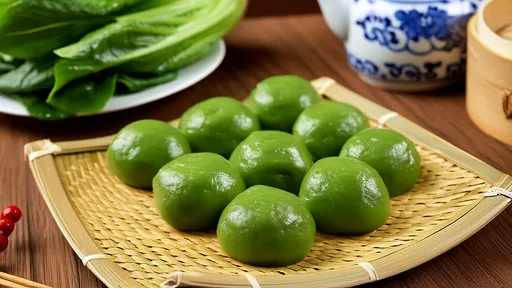
Green Dough Protection Law: Spinach Juice Replaces Wormwood, Achieving a Vivid Green Hue"

By /Aug 20, 2025

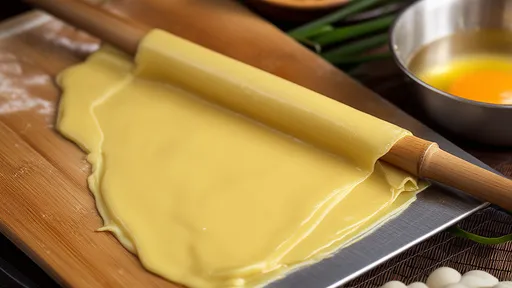
In the evolving landscape of traditional food preparation, a notable innovation has emerged from the realm of Chinese cuisine, specifically concerning the beloved Qingtuan, or green rice balls. These vibrant treats, traditionally made during the Qingming Festival, have long relied on mugwort for their distinctive green hue and earthy flavor. However, a recent shift has seen spinach juice stepping in as a modern alternative, promising not only a similarly vivid color but also addressing issues of sustainability and accessibility.
Food

Revive Soft Baguettes: Spray Water and Bake at 150℃ for 3 Minutes for Crispy Outside and Soft Inside

By /Aug 20, 2025

There's a particular sadness that accompanies the discovery of a once-proud, crusty baguette transformed into a sad, rubbery stalactite. Its former glory, that symphony of a shattering crust giving way to a soft, airy interior, is but a memory. For many, this signals the end of the road, a one-way ticket to breadcrumbs or, worse, the bin. But what if I told you that resurrection is not only possible but astonishingly simple? The secret, passed down through generations of bakers and savvy home cooks, is a quick spritz of water and a brief, hot oven blast. This isn't just a hack; it's a culinary rebirth.
Food

Prevent Hot Cocoa from Sinking: Pre-mixed Cornstarch for Smooth, Layer-free Beverage

By /Aug 20, 2025

There is a particular kind of winter alchemy that happens in kitchens around the world when the temperature drops and the desire for something warm and sweet takes hold. It is the making of hot chocolate—a seemingly simple concoction that, when done right, feels like a velvet embrace for the soul. Yet, for all its comforting promise, a common kitchen tragedy often unfolds in the minutes after it's poured: the dreaded sludge at the bottom of the mug. This separation, where the rich cocoa powder abandons the liquid to form a dense, gritty paste, is the bane of hot chocolate enthusiasts and a puzzle that has vexed home cooks and professional chefs alike.
Food

Grape Safety Processing: Cross-Cutting to Remove Seeds, A Cautious Approach to Prevent Choking

By /Aug 20, 2025

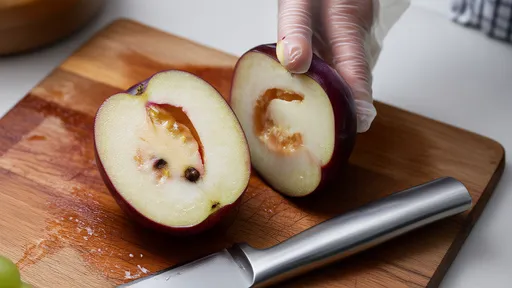
In the world of culinary preparation, few tasks seem as simple yet carry such hidden risks as handling grapes. These sweet, juicy fruits are beloved by people of all ages, but their perfect spherical shape and smooth texture present a surprising choking hazard, particularly for young children and elderly individuals. The danger lies not in the grape itself, but in its ability to completely block a child's narrow airway if swallowed whole. This has led to a growing movement among parents, caregivers, and food safety advocates to promote a simple yet revolutionary technique: the cross-cut method for grape preparation.
Food

Secret to Preventing Cookie Spread: Chill the Dough for 1 Hour Before Baking for a More Defined Shape

By /Aug 20, 2025

In the quiet hum of a kitchen warmed by the oven’s glow, a common frustration often unfolds: a tray of cookies that spread into flat, shapeless puddles rather than holding their intended form. The grand visions of thick, chewy chocolate chip cookies or intricately shaped shortbread that held their delicate patterns fade into a disappointing, albeit tasty, reality. For years, bakers have puzzled over this culinary conundrum, tweaking flour ratios, butter temperatures, and leavening agents in pursuit of the perfect, defined bake. Yet, the most potent weapon in this battle for structural integrity requires no fancy ingredient or complex technique. It demands only one thing: time. The secret, whispered among seasoned pastry chefs and meticulous home bakers, is disarmingly simple: chill your cookie dough.
Food

Preventing Collapsing in Chiffon Cake: Shake the Mould After Baking, Invert to Cool Completely, and Demould When Cold

By /Aug 20, 2025

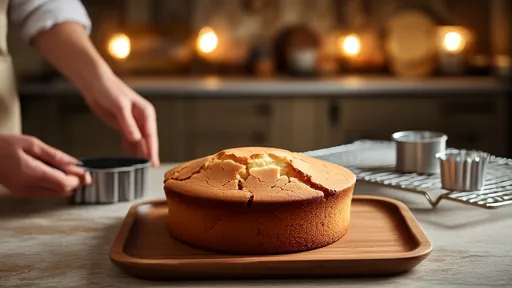
There is a particular heartbreak that comes with pulling a beautiful, golden-brown chiffon cake from the oven, watching it rise to perfection, only to witness its tragic collapse moments later. The high, airy structure deflates into a dense, sad shadow of its former self. For many home bakers, this is a familiar and frustrating scene. The secret to avoiding this culinary tragedy lies not in the mixing of the batter, but in the critical moments immediately after baking and the patient hours that follow. The triumvirate of techniques—rapping the pan, inverting it to cool, and waiting for it to cool completely—is the unshakeable foundation of a stable, majestic chiffon cake.
Food

Perfecting the Batter Consistency for Pancake Fruits: Easily Spreadable at Home"

By /Aug 20, 2025

There's something almost magical about watching a street vendor pour that perfect circle of batter onto a hot griddle, the sizzle and aroma immediately capturing the attention of every passerby. The art of making jianbing—China's beloved savory crepe—has long been considered something best left to the professionals with their specialized equipment and years of practice. Yet what if I told you that the most crucial secret to recreating this street food masterpiece at home has nothing to do with a fancy pan or a unique ingredient, but everything to do with the consistency of your batter? The golden rule, passed down through generations of vendors, is simple yet profound: the batter should be just thick enough to coat the back of a spoon.
Food

Fruit Boat Platter: Banana Slices with Toothpick Sails, Fun and Creative

By /Aug 20, 2025

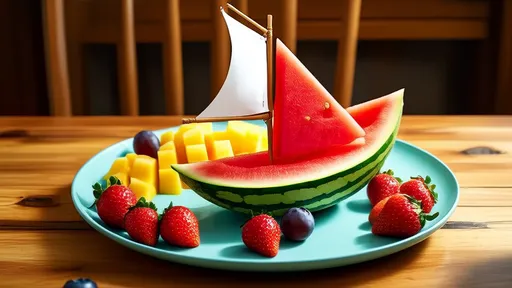
In the ever-evolving world of culinary creativity, a delightful trend has emerged that combines simplicity, nutrition, and whimsical charm: the fruit sailboat platter. This ingenious concept transforms ordinary fruits into a playful fleet of edible vessels, capturing imaginations and appetites alike. At its heart lies the humble banana, sliced and adorned with toothpick sails, creating an experience that is as enjoyable to assemble as it is to consume. The appeal spans generations, making it a standout choice for gatherings, children’s parties, or even a cheerful weekday snack.
Food

Cartoon Rice Ball Making: Triangle Shaping with Plastic Wrap, Seaweed Emojis

By /Aug 20, 2025

In the vibrant world of culinary creativity, a delightful trend has emerged from the intersection of food artistry and pop culture: the cartoon onigiri. These charming rice balls, traditionally a staple in Japanese cuisine, have undergone a whimsical transformation, evolving into edible canvases for expression and joy. The process, which involves shaping rice with plastic wrap and adorning it with nori cut into expressive features, has captured the imagination of food enthusiasts and social media users alike, turning a simple meal into a global phenomenon.
Food

Zongzi Cooking Time: 45 Minutes After High-Pressure Steaming for Soft and Sticky Texture"

By /Aug 20, 2025

In the realm of culinary traditions, few dishes carry as much cultural weight and seasonal significance as the zongzi. These pyramid-shaped parcels of glutinous rice, wrapped in bamboo leaves and filled with an array of savory or sweet ingredients, are a cornerstone of the Dragon Boat Festival. Yet, for all their symbolic importance, the true mastery of zongzi lies not just in the assembly but in the final, critical stage: the cooking process. For generations, this has meant long, patient hours of simmering in a large pot, a test of endurance for both the cook and the stove. However, a modern kitchen marvel—the pressure cooker—has revolutionized this age-old practice, offering a path to perfection that is both remarkably efficient and astonishingly effective. The key finding? Achieving that coveted soft, sticky, and perfectly cohesive texture, a state known as "nuo", can be reliably accomplished by pressure cooking the zongzi for 45 minutes after the cooker has reached full pressure.
Food

Macaron Ruffle Edge: 60% Humidity for Skin Drying, Key to Success

By /Aug 20, 2025

In the intricate world of French patisserie, few confections are as celebrated and as notoriously finicky as the macaron. With their delicate shells, smooth tops, and the iconic ruffled "foot" or "skirt," they represent a perfect marriage of art and science. For seasoned bakers and enthusiastic novices alike, achieving that perfect rise—the hallmark of a well-executed macaron—is the ultimate goal. While many factors contribute to success or failure, one of the most critical, yet often underestimated, steps is the drying or "resting" phase of the shells, particularly in environments with specific humidity levels. Mastering the art of drying shells in 60% humidity can be the pivotal difference between a tray of flawless gems and a disappointing batch of cracked or footless discs.
Food

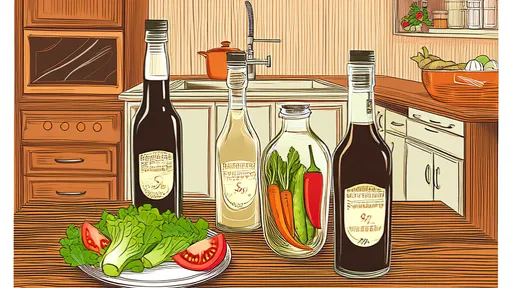
Vinegar Usage Guide: 5% for Salad Dressing, Over 8% for Pickling

By /Aug 20, 2025

In kitchens around the world, vinegar is a staple ingredient, prized for its ability to transform dishes with its sharp, acidic tang. Among the many varieties available, two common concentrations stand out for their specific culinary roles: 5% acidity for dressings and salads, and 8% or higher for pickling and preserving. Understanding these distinctions is not just a matter of taste—it’s a foundational element of both food safety and flavor development.
Food

Whipped Cream Stability for Piping: Chill Cream for 12 Hours for Firmer Whipping

By /Aug 20, 2025

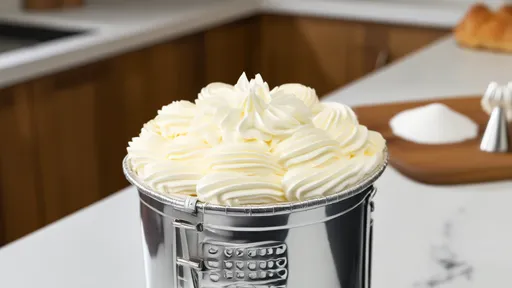
In the world of baking and pastry arts, achieving the perfect whipped cream consistency is both an art and a science. Among the myriad tips and techniques shared by professionals and enthusiasts alike, one piece of advice stands out for its simplicity and effectiveness: chilling heavy cream for at least 12 hours before whipping. This practice, though seemingly straightforward, can dramatically transform your results, leading to stiffer peaks, better stability, and a more polished final product. Whether you're decorating a birthday cake, piping elegant rosettes on a dessert, or simply topping a hot chocolate, understanding why this cold foundation matters can elevate your culinary creations from good to exceptional.
Food

Winter Jujube Anti-Wrinkle Storage: Layered Carton Storage for a Week's Freshness

By /Aug 20, 2025

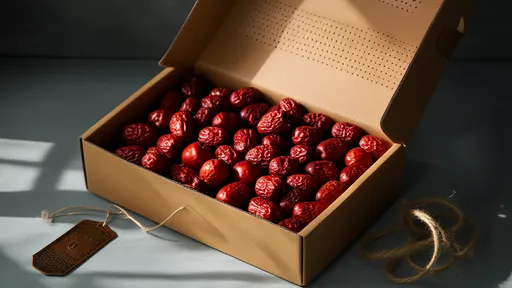
Winter jujubes, with their crisp texture and sweet flavor, are a seasonal delicacy cherished by many. However, their relatively short shelf life and susceptibility to wrinkling pose challenges for enthusiasts who wish to enjoy them beyond their prime freshness. A surprisingly effective and accessible method has been gaining traction among fruit aficionados and home storage experts alike: the layered cardboard box technique. This approach, which requires minimal materials and effort, can remarkably extend the freshness of winter jujubes for up to a week, preserving their coveted crunch and taste.
Food

Invisible Vegetable Patty: Blend Pumpkin Puree with Meat in a 1:3 Ratio, Kids Love It"

By /Aug 20, 2025

In the bustling world of modern parenting, where every meal feels like a negotiation, a quiet revolution is taking place in kitchens across the globe. It’s not about elaborate recipes or expensive superfoods; it’s about a simple, almost magical, culinary sleight of hand. Parents are discovering the power of the invisible vegetable, and one particular creation is leading the charge: the humble yet transformative vegetable-infused meat patty. By masterfully blending savory ground meat with the subtle sweetness of pureed pumpkin in a precise 1:3 ratio, they are crafting patties that children don’t just tolerate—they genuinely adore.
Food

Quick Chestnut Peeling: Roast at 180℃ for 10 Minutes, Automatically Open

By /Aug 20, 2025

As autumn winds begin to whisper through the trees, the unmistakable aroma of roasting chestnuts fills the air, evoking cozy memories and seasonal traditions. For centuries, people have gathered around crackling fires to enjoy these earthy treasures, yet the perennial challenge of removing their stubborn shells has remained a culinary hurdle. While various methods have been attempted—from tedious hand-peeling to risky knife work—a remarkably simple kitchen technique has emerged as the ultimate solution. By harnessing the dry, consistent heat of a standard oven, you can transform this arduous task into an almost effortless ritual, preserving both the nut's integrity and the cook's patience.
Food

Soy Sauce Buying Guide: Check for Brewing Date, Not Grade

By /Aug 20, 2025

In the world of condiments, few are as universally cherished and deeply misunderstood as soy sauce. Walk down the aisle of any well-stocked grocery store, and you are met with a daunting array of bottles, each promising artisanal quality, ancient recipes, or superior flavor. Many shoppers, overwhelmed by the choices, instinctively reach for bottles adorned with labels boasting "Premium Grade" or "Superior Quality," believing these terms to be the ultimate indicators of a superior product. This reliance on grading, however, is a significant misstep. The most critical piece of information for selecting an exceptional soy sauce is not a grade on the front label, but a simple date often hidden on the bottle's shoulder or base: the brewing date.
Food

Reducing Salt in Bacon: Soak and Change Water Three Times for a Suitable Saltiness"

By /Aug 20, 2025

In the realm of culinary arts, the preparation of preserved meats such as bacon or salted pork often presents a challenge: how to reduce the intense saltiness without compromising texture or flavor. A traditional method, passed down through generations, involves a simple yet effective technique of soaking and changing water multiple times. This process not only mitigates excess salt but also ensures the meat remains succulent and palatable, achieving that perfect balance chefs and home cooks strive for.
Food

Beer Glass Cleaning Technique: Salt Scrubbing for Oil Stain Removal without Traces

By /Aug 20, 2025

There is a quiet ritual practiced in the dimly lit cellars of old-world breweries and the polished kitchens of modern beer aficionados. It is a method passed down through generations, a simple yet profoundly effective solution to a problem as old as brewing itself: the stubborn, unsightly residue that clings to the inside of a beer glass. This is not a story of harsh chemicals or expensive gadgets, but of a humble kitchen staple—common table salt. The technique of scrubbing a beer glass with salt is a piece of living history, a testament to the power of simplicity in achieving a perfect, spotless, and streak-free shine.
Food

Bento Antibacterial Experiment: Embedding a Plum in Rice for Effective Preservation

By /Aug 20, 2025

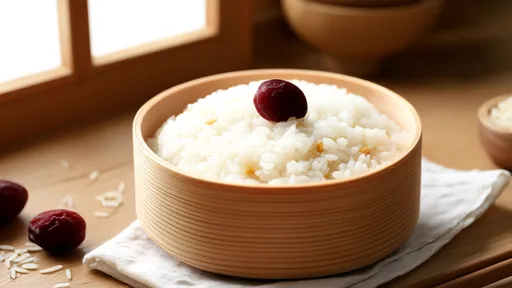
In the quiet hum of a Japanese kitchen, a tradition passed down through generations holds an unexpected scientific secret. For centuries, homemakers have nestled a single pickled plum, known as umeboshi, into the center of rice boxes, believing it would keep the meal fresh until lunchtime. What was once considered folk wisdom is now being validated by modern microbiology, revealing a fascinating intersection between culinary heritage and food science.