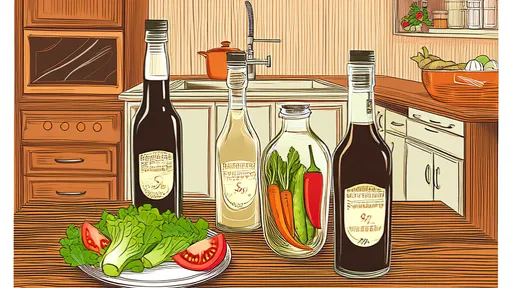
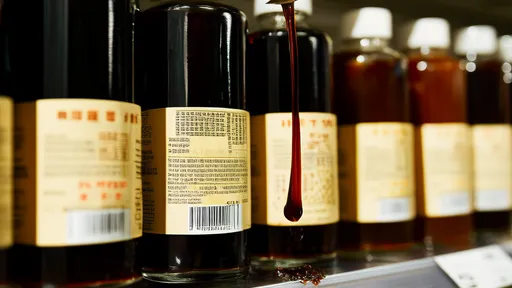
In the world of condiments, few are as universally cherished and deeply misunderstood as soy sauce. Walk down the aisle of any well-stocked grocery store, and you are met with a daunting array of bottles, each promising artisanal quality, ancient recipes, or superior flavor. Many shoppers, overwhelmed by the choices, instinctively reach for bottles adorned with labels boasting "Premium Grade" or "Superior Quality," believing these terms to be the ultimate indicators of a superior product. This reliance on grading, however, is a significant misstep. The most critical piece of information for selecting an exceptional soy sauce is not a grade on the front label, but a simple date often hidden on the bottle's shoulder or base: the brewing date.
The very nature of soy sauce is one of transformation and time. Authentic, traditionally brewed soy sauce is not manufactured; it is cultivated. It begins with a simple mixture of soybeans, wheat, salt, and water. This mash, known as moromi, is then inoculated with a special culture of mold, most commonly Aspergillus oryzae (koji). This is where the magic begins. The koji enzymes work tirelessly, slowly breaking down the proteins and starches into a complex broth of amino acids, simple sugars, and other flavor compounds. This process of fermentation and aging can take anywhere from several months to several years. It is a patient, unhurried dance between microbial life and organic matter, and it cannot be rushed without sacrificing depth and character.
This is precisely why the brewing date is paramount. Unlike wine, which often continues to evolve and improve in the bottle, soy sauce is a finished product once it is bottled and pasteurized. Its flavor profile is essentially locked in at that moment. A soy sauce that has been aged for two years before bottling possesses a profoundly different character than one aged for six months. The longer aging period allows for the development of a much deeper, richer umami flavor, a more complex aroma, and a smoother, less harsh salty punch. The color deepens to a dark, reddish-brown, and the texture gains a certain velvety quality. When you choose a bottle based on a recent brewing date, you are essentially choosing a product at the peak of the craftsperson's intention, a literal snapshot of a completed masterpiece.
Conversely, the grading system that many consumers rely on is, at best, an incomplete metric and, at worst, a marketing distraction. In many countries, including Japan, grades like "Koikuchi" (dark) or "Usukuchi" (light) refer to style and color, not quality. They indicate the intended use—Koikuchi is the all-purpose table sauce, while Usukuchi is a lighter, saltier sauce used in cooking to preserve the color of ingredients. Other terms like "Premium" or "Superior" are often proprietary marketing terms with no regulated, standardized definition. A manufacturer can call any sauce "premium" if they wish. More tellingly, these grades often relate to the nitrogen content, which is a measure of umami compounds derived from protein breakdown. While a higher nitrogen content generally indicates more flavor, it tells you nothing about how that flavor was achieved.
This is the crux of the issue. A high nitrogen content and a "premium" grade can be achieved through two very different methods: the slow, traditional brewing method or a fast, chemical method known as acid hydrolysis. This industrial process breaks down defatted soy protein with hydrochloric acid in a matter of days, creating a harsh, sharp liquid that is then neutralized, colored with caramel, and flavored. This chemical soy sauce may still achieve a high nitrogen content on a lab test, allowing it to be labeled as a high-grade product, but its flavor profile is one-dimensional and abrasive, lacking the harmonious complexity of a naturally brewed sauce. It is the difference between a slow-simmered bone broth and a bouillon cube dissolved in water. The brewing date is your guarantee against this. A producer will proudly display the date their fermentation began because it is a badge of honor, a testament to their commitment to the traditional craft. A chemically produced sauce will have no such date, or it will be conspicuously absent.
Understanding this, your shopping strategy should shift entirely. Ignore the grandiose claims on the front label. Gently pick up the bottle and turn it over. Look for a line that says "Brewed Date," "Date of Brewing," or "Manufactured Date" (though "brewed" is the ideal term). This is your first filter. If there is no date, cautiously place the bottle back on the shelf. Its origins are ambiguous. If you find a date, consider it. A sauce brewed within the last year is likely to be vibrant and potent. But the real treasures are those with dates from two, three, or even five years past. These are the sauces that have been given the gift of time.
The experience of tasting a properly aged, naturally brewed soy sauce is a revelation. It is not merely a salty liquid; it is an umami elixir. When tasted neat, a drop on the tongue, the first sensation is a rounded, gentle salinity that quickly gives way to a cascade of flavors: deep savory notes reminiscent of roasted meat and mushrooms, a subtle sweetness like dark caramel, and a complex, almost fruity aroma with no harsh aftertaste. It enhances food without overpowering it. A few drops on a simple piece of sashimi or tofu can elevate it to a new level of deliciousness. It becomes a culinary ingredient to be used with thought and respect, not just a condiment to be splashed indiscriminately.
In the end, selecting a great soy sauce is an exercise in looking beyond the marketing and understanding the essence of the product. It is a fermented food, and like all fermented foods—cheese, charcuterie, wine, kimchi—its quality is intrinsically linked to time. The brewing date is the one unassailable, objective fact on the bottle that speaks directly to this fundamental truth. It is a number that whispers of patience, craftsmanship, and a respect for tradition. So, the next time you find yourself in the condiment aisle, let go of the ingrained habit of searching for a grade. Instead, seek out that small, printed date. It is the true key to unlocking a world of profound flavor hidden within a simple glass bottle.
By /Aug 20, 2025
By /Aug 20, 2025

By /Aug 20, 2025
By /Aug 20, 2025
By /Aug 20, 2025
By /Aug 20, 2025
By /Aug 20, 2025
By /Aug 20, 2025

By /Aug 20, 2025
By /Aug 20, 2025

By /Aug 20, 2025
By /Aug 20, 2025
By /Aug 20, 2025
By /Aug 20, 2025

By /Aug 20, 2025
By /Aug 20, 2025
By /Aug 20, 2025

By /Aug 20, 2025

By /Aug 20, 2025
By /Aug 20, 2025
