In kitchens around the world, vinegar is a staple ingredient, prized for its ability to transform dishes with its sharp, acidic tang. Among the many varieties available, two common concentrations stand out for their specific culinary roles: 5% acidity for dressings and salads, and 8% or higher for pickling and preserving. Understanding these distinctions is not just a matter of taste—it’s a foundational element of both food safety and flavor development.
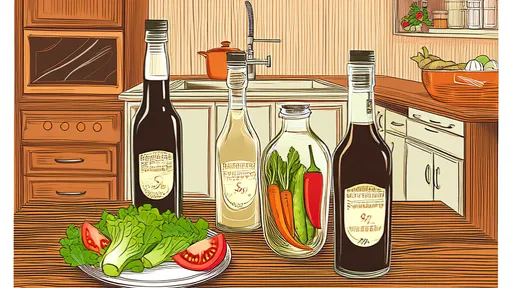
The 5% acidity level is widely regarded as the sweet spot for salad dressings and light marinades. At this concentration, vinegar provides enough acidity to cut through the richness of oils and fats without overwhelming the delicate flavors of fresh vegetables, herbs, and other ingredients. It strikes a balance, offering brightness and lift without making the dish taste harsh or overly sour. Many popular vinegars, such as standard distilled white vinegar, apple cider vinegar, and red wine vinegar, are commonly sold at this strength, making them versatile additions to any pantry.
When you whisk together a simple vinaigrette, the 5% vinegar emulsifies beautifully with olive oil, creating a cohesive dressing that clings to greens. It also helps to enhance the natural flavors of the salad components, acting as a flavor catalyst rather than a dominator. In marinades, this level of acidity works to tenderize proteins gently, without "cooking" them as higher acid concentrations might. It’s a workhorse in everyday cooking, ideal for applications where the goal is seasoning and enhancing, not preserving.
On the other end of the spectrum, vinegars with 8% acidity or higher are the guardians of preservation. This stronger concentration is essential for creating an environment where harmful bacteria cannot thrive, making it possible to safely pickle vegetables, preserve fruits, and cure foods. The higher acid level not only ensures safety but also provides the robust, penetrating tang that defines well-pickled foods, from classic dill pickles to pickled onions and kimchi.
Using a vinegar with less than 8% acidity in pickling can lead to spoilage, as the product may not be acidic enough to prevent the growth of pathogens like botulism. This is why many traditional pickling recipes explicitly call for vinegar with at least 5% acidity, though in many cases, an even higher percentage is recommended for an added margin of safety, especially in home kitchens where conditions aren’t as controlled as in commercial operations. The strength ensures that the preserved foods remain safe to eat for months, and often years, when stored properly.
Beyond safety, the intensity of 8% vinegar allows it to stand up to the other strong flavors often used in pickling, such as garlic, dill, mustard seeds, and spices. It penetrates deeply into the food, firming textures and infusing each bite with its characteristic punch. This makes it indispensable not just for classic cucumber pickles, but for a wide range of preserved goods that rely on acid for both flavor and longevity.
While these guidelines provide a clear framework, the world of vinegar is rich with exceptions and nuances. For instance, some artisanal or homemade vinegars may have variable acidity levels, requiring careful adjustment in recipes. In certain culinary traditions, such as Japanese sushi preparation, rice vinegar—often around 4-5% acidity—is used for seasoning rice, but it is not typically employed for long-term preservation. Similarly, balsamic vinegar, which can vary widely in strength, is prized for its complexity and sweetness rather than its preservative power.
Experienced cooks often learn to tweak concentrations based on their specific needs. For example, when making quick-pickled vegetables that will be consumed within a few days, a 5% vinegar might be sufficient, especially if supplemented with salt and refrigeration. Conversely, a particularly watery vegetable might require a stronger acid to ensure proper preservation. Understanding the science behind these choices empowers home cooks to adapt and experiment while keeping safety in mind.
In professional kitchens and food manufacturing, these rules are even more critical. Consistency and safety are paramount, and recipes are meticulously calibrated to the acidity of the vinegar being used. This attention to detail ensures that every batch of pickles or bottle of dressing meets both quality and safety standards, reflecting the importance of these simple percentage points in large-scale food production.
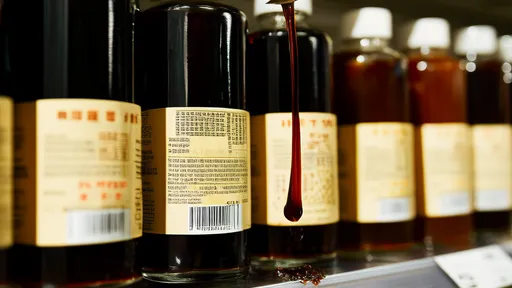
For the home cook, navigating vinegar concentrations doesn’t have to be daunting. Most commercially produced vinegars clearly label their acidity percentage on the bottle, making it easy to select the right one for the task at hand. Keeping both a 5% vinegar for daily use and an 8% or higher option for preserving is a practical approach that covers the vast majority of culinary needs. And when in doubt, erring on the side of a stronger vinegar in pickling is always safer than risking under-acidification.
Vinegar’s role in cooking and preservation is a testament to the elegance of simplicity in the culinary world. These two basic concentrations—5% for dressing and enhancing, 8% and above for preserving and protecting—serve as pillars upon which countless recipes are built. By respecting these guidelines, cooks can harness the full potential of this ancient ingredient, creating dishes that are not only delicious but also safe and satisfying. Whether whisking a vinaigrette or filling a jar with summer’s bounty, the power of vinegar, in just the right strength, makes all the difference.
By /Aug 20, 2025
By /Aug 20, 2025

By /Aug 20, 2025
By /Aug 20, 2025
By /Aug 20, 2025
By /Aug 20, 2025
By /Aug 20, 2025
By /Aug 20, 2025

By /Aug 20, 2025
By /Aug 20, 2025
By /Aug 20, 2025
By /Aug 20, 2025
By /Aug 20, 2025
By /Aug 20, 2025

By /Aug 20, 2025
By /Aug 20, 2025
By /Aug 20, 2025
By /Aug 20, 2025

By /Aug 20, 2025
By /Aug 20, 2025
